
Neuropathy Treatment

Restore Nerve Function. Regain Your Quality of Life.

Neuropathy isn’t just uncomfortable, it can completely change how you live your day-to-day life. For many people, it starts small… a little tingling in the feet, slight numbness in the hands. But over time, it can progress into burning pain, loss of sensation, balance issues, and constant discomfort that affects everything from walking to sleeping. At Milton Spine and Wellness, we focus on treating neuropathy at the source, helping improve nerve function, restore circulation, and give your body the support it needs to heal naturally.

What Is Neuropathy?

Neuropathy refers to damage or dysfunction of the nerves, most commonly affecting the hands and feet (known as peripheral neuropathy).
When nerves aren’t functioning properly, they can send incorrect signals, or no signals at all, leading to a wide range of symptoms.
Common symptoms include:

Neuropathy can develop gradually, and many people don’t realize how serious it is until it begins interfering with daily life.

How Neuropathy Affects Everyday Life

Neuropathy doesn’t just cause discomfort, it impacts how you live.

Many patients struggle with:

For some, even simple activities like grocery shopping, exercising, or getting through a workday can become difficult.

And because symptoms often worsen over time, early treatment is critical.

What Causes Neuropathy?

Neuropathy can affect people of all ages and backgrounds, and it can be caused by a variety of factors, including:
In many cases, neuropathy is not caused by just one issue, it’s a combination of factors affecting nerve health.

Who Is a Candidate for Neuropathy Treatment?

You may benefit from treatment if you are experiencing:

Neuropathy affects both younger and older adults, and symptoms can range from mild to severe.
Even if you’ve been told “there’s nothing that can be done,” there are still options to help improve your condition.

What to Expect at Milton Spine and Wellness

We take a comprehensive, non-invasive approach to neuropathy care.

Step 1: Consultation & Evaluation

We take time to understand your symptoms, medical history, and how neuropathy is affecting your daily life.

Step 2: Functional Assessment

We evaluate nerve function, circulation, and any underlying issues contributing to your condition.

Step 3: Customized Treatment Plan

Every patient is different. Your care plan is designed specifically for your needs and goals.

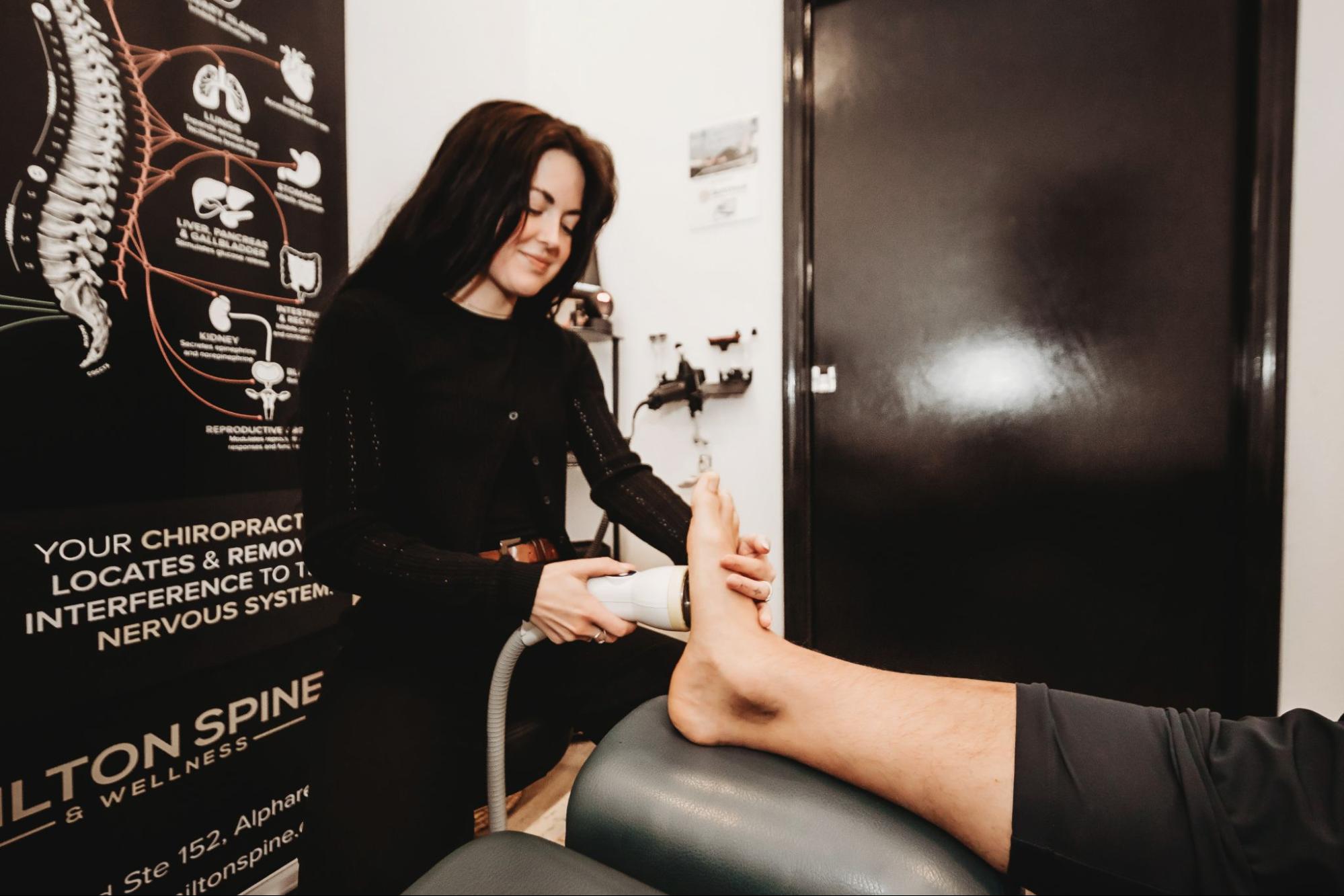
Step 4: Targeted Therapies

Your treatment may include:
1. Therapies to improve circulation
2. Techniques to stimulate nerve function
3. Spinal care to reduce nerve interference
4. Lifestyle and nutritional recommendations
Milton Spine and Wellness Care

Benefits of Neuropathy Treatment

With consistent care, many patients experience:
While results vary, many patients begin to notice improvements as their body starts to respond to treatment.

How Long Does Treatment Take?

Neuropathy is often a progressive condition, so healing takes time and consistency.
General Expectations:
The earlier treatment begins, the better the potential outcome.

Is Neuropathy Treatment Safe?

Yes. Our approach is non-invasive, drug-free, and designed to work with your body’s natural healing processes. We focus on safe, proven methods that aim to improve function, not just mask symptoms.

Ready to Take Control of Your Neuropathy?

You don’t have to live with constant discomfort, numbness, or uncertainty. If neuropathy is affecting your daily life, there are options and we’re here to help. Schedule your consultation today and take the first step toward relief, stability, and better nerve health.

Why Choose Milton Spine and Wellness?

Many neuropathy treatments focus only on symptom management.

We take a different approach by focusing on:

You’re not just managing neuropathy, you’re actively working to improve it.

NEUROPATHY TREATMENT Q&A

What are the early signs of neuropathy?
Early signs include tingling, numbness, burning sensations, and sensitivity in the hands or feet.
In some cases, symptoms can be improved by addressing underlying causes, improving circulation, and supporting nerve function.
Diabetes is the most common cause, but neuropathy can also result from poor circulation, injury, or other health conditions.
Symptoms often feel worse at night due to reduced distractions and changes in circulation and nerve sensitivity.
You should seek treatment as soon as symptoms begin, as early intervention can help prevent progression.